
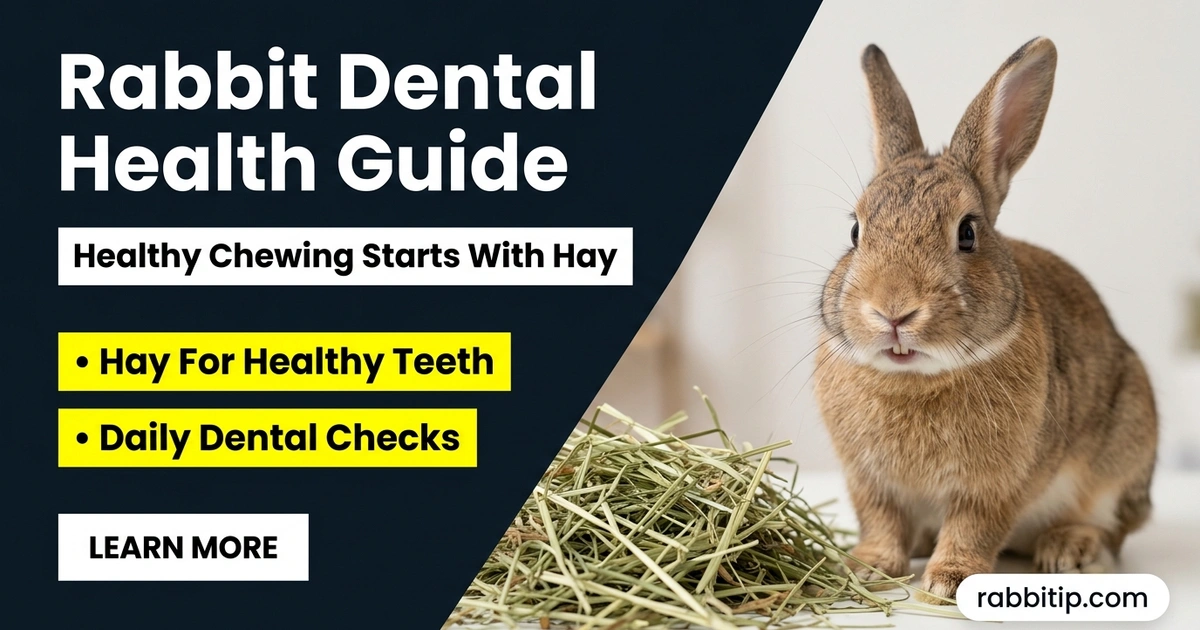
Why Rabbit Dental Health Needs Early Attention
Rabbit dental health can change fast. It may start when chewing slows. Your rabbit may run to food. Then it may drop food. It may skip hay. It may sit still in a corner.
That small change can matter. Rabbit teeth keep growing. If teeth do not wear down, pain can grow fast.
Picture this. Your rabbit eats half a bowl. The hay rack stays full. By night, its chin is wet. This may look small. It can mean tooth pain.
Treat appetite changes as early clues. This guide shows signs, causes, home checks, vet care, and daily care.
How Rabbit Teeth Work
Rabbit teeth need daily chewing. They are not like human teeth. A rabbit’s front and back teeth grow for life. So daily wear is key.
According to Rabbit.org Foundation, hay and grass help wear down teeth. They make rabbits chew side to side. This helps shape the teeth. It also helps the jaw.
Watch your rabbit eat hay. It should chew in slow circles. If it stops after a few strands, take note. Sharp points can form on back teeth. Rabbits hide pain well. Food changes may be your first clue.
Rabbits Have Teeth That Keep Growing
Rabbits have open-rooted teeth. This means the teeth grow from the root. Hay helps wear them down.
A healthy rabbit chews with a steady side-to-side move. Soft food needs less work. Too many pellets need less work too. Less chewing means less tooth wear.
Watch hay intake first. A rabbit may eat treats but skip hay. That is useful news. It is not just being picky.
Incisors, Back Teeth, and Tooth Roots
The incisors are the front teeth. You can see them. Rabbits use them to cut food.
The molars and premolars are back teeth. They grind hay into small bits.
Tooth roots sit deep in the jaw. If roots grow the wrong way, they can press on bone. They may also press near the eye. This can cause pain, lumps, or discharge.
Home checks have limits. You can see the front teeth. You cannot see the full mouth. Back teeth and roots need a rabbit-savvy vet.
Why Chewing Hay Matters
Hay is the best tool for tooth wear. It also helps the gut move. This helps keep droppings normal.
A rabbit’s diet for teeth starts with hay. It does not start with chew snacks.
Hay takes time to chew. It gives teeth real work. Pellets break fast. Treats break even faster. They do not grind like rough hay.
Picture this. Your rabbit has fresh hay. But it eats only pellets and soft greens. The teeth get less wear. Yet they keep growing.
Common Rabbit Dental Health Problems
Rabbit teeth problems can start quietly. You may see an odd sign. Then, more signs may show up soon.
Common problems include long teeth, poor bite, abscesses, and broken teeth.
These issues can overlap. A rabbit with rabbit malocclusion may have sharp back teeth. A root problem may cause a jaw lump. One sore spot can change the whole bite.
According to PDSA, dental problems in rabbits can cause drool, weight loss, and less hunger. Mild signs need a vet call. No eating needs urgent care.
Overgrown Front Teeth
Overgrown rabbit teeth are easy to spot in front. The incisors may curve. They may cross. They may grow too long.
Some rabbits cannot cut hay or greens well.
Long front teeth can mean more trouble. The jaw may not line up. The back teeth may hurt too.
Do not see front teeth as one small issue. The whole mouth needs a check.
Picture your rabbit biting parsley. It drops it twice. That may be a front tooth clue. It may also mean pain farther back.
Overgrown Back Teeth
Back teeth can grow sharp points. These are called spurs. Spurs can rub the tongue or cheek. You cannot see them at home.
A rabbit with back tooth pain may chew on one side. It may pick soft food. It may leave hay. It may act hungry, then stop eating.
These signs are easy to miss. Some owners think the rabbit dislikes one hay type. The real cause may be pain while chewing.
Malocclusion in Rabbits
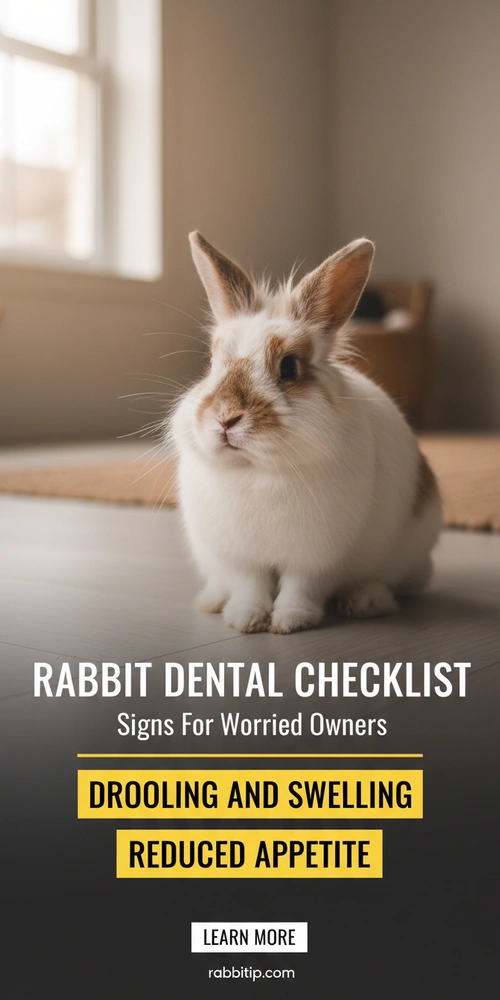
Malocclusion means the teeth do not meet properly. If teeth do not line up, they do not wear well. This can affect front teeth, back teeth, or both.
Rabbit malocclusion can come from jaw shape. It can also come from injury or uneven wear. Some rabbits are born at higher risk.
Once it starts, it often needs repeat vet care.
Picture this. A young rescue rabbit has front teeth that cross a bit. It still eats. But each month, the teeth grow unevenly. Early care can stop a feeding crisis.
Tooth Root Abscesses
A rabbit tooth root abscess is an infection pocket. It forms near a tooth root. It may cause a hard jaw lump. It may cause face swelling, eye discharge, or pain.
These cases need vet care fast.
Rabbit abscesses can be hard to treat. The pus is often thick. The tooth root may be part of the issue. Your vet may need imaging and follow-up visits.
Treat swelling as serious. Do not wait all week. The mouth sits close to the eyes, nose, and jawbone.
Tooth Injuries and Broken Teeth
Rabbits can break teeth in falls. They can also break teeth on hard items. Cage bar biting can hurt teeth too.
A broken tooth may grow back unevenly. It can also expose sore tissue.
A tooth injury can change the bite. When one tooth hurts, the rabbit chews in a new way. That can cause wear problems in other teeth.
Picture your rabbit slipping from a sofa. It seems fine. Later, it drops food. A mouth check and vet call are safer than a guess.
Signs of Teeth Problems in Rabbits
The signs of dental problems in rabbits often show in their eating. They also show in grooming and behavior. Rabbits hide weakness. So small changes need care.
Look for patterns. One skipped snack may mean stress. Hay refusal, drool, and small droppings together can point to pain.
For more symptom notes, use common rabbit diseases. Dental signs can look like gut, eye, or infection signs. A vet exam helps sort them out.
Eating Changes and Dropping Food
Eating changes are often the first clue. A rabbit may run to food. It may sniff it. Then it may stop.
Some rabbits pick up food and drop it.
This can happen when teeth hurt. Cutting may hurt. Grinding may hurt too. Hay is often the first food they avoid. It takes the most work.
Picture your rabbit eating a banana fast. But it leaves orchard hay. That is not a full appetite. It is a chewing clue.
Drooling, Wet Chin, or Matted Fur
Rabbit drooling can mean mouth pain. It can also mean sharp teeth or trouble swallowing.
Wet fur under the chin is not normal. It can lead to sore skin.
Matted fur may hide a wet spot. A damp chest may smell sour. Learn why rabbits need gentle grooming care before you clean sore skin.
Do not scrub hard. Check the fur. Keep your rabbit dry. Then call the vet. The mouth needs care first.
Weight Loss or Smaller Droppings
Weight loss can happen slowly. A fluffy coat can hide it. Weekly weighing helps.
Small droppings can mean less fiber. Then the gut may slow down. Less hay can also make tooth wear worse.
Picture this. Your rabbit still eats greens. But the tray has tiny dry droppings. That is a worry. It may mean low hay intake and pain.
Facial Swelling, Eye Discharge, or Jaw Lumps
Facial swelling is a high-risk sign. Jaw lumps, cheek swelling, and eye discharge can be linked to tooth roots. These signs need urgent vet advice.
According to PDSA, tooth root problems can cause facial or jaw swelling. Roots sit deep near bone and soft tissue. If the infection starts, it can spread.
Do not press hard on a lump. It can hurt. It also will not tell you enough. A vet must check the mouth and deeper areas.
Grinding Teeth, Hiding, or Acting Quiet
Soft tooth purring can mean comfort. Loud tooth grinding often means pain. Watch the sound, posture, and setting.
A rabbit in pain may sit hunched. It may hide. It may avoid touch. It may look sleepy, but its body may feel tense.
It may stop caring about favorite foods.
Picture your rabbit under a chair at breakfast. It refuses hay. It grinds loudly. That is a vet call, not a mood.
Messy Grooming or Pawing at the Mouth
Dental pain can change grooming. A rabbit may stop cleaning its face well. It may not clean the chin or front paws. Drool can clump the fur.
Pawing at the mouth can mean pain. It can mean a sharp spot. Food may also pack around sore teeth.
Do not dig in the mouth.
Use grooming changes as clues. Alone, they can mean many things. With eating changes, they matter more.
This table can help you sort signs.
← Scroll to see more →
| Sign | Possible dental issue | Urgency level | Owner action |
|---|---|---|---|
| Leaves hay but eats soft food | Back tooth pain or early spurs | Book soon | Call a rabbit-savvy vet within 24 to 48 hours |
| Drooling or wet chin | Sharp teeth, mouth pain, or injury | Book soon | Keep fur dry and book a vet exam |
| Dropping food from mouth | Incisor pain or back tooth pain | Book soon | Track refused foods and call your vet |
| No eating for 6 to 8 hours | Severe pain or gut slowdown risk | Urgent | Seek same-day emergency advice |
| Facial swelling or jaw lump | Tooth root abscess or infection | Urgent | Call a vet the same day |
| Weight loss and tiny droppings | Low fiber intake or long-term pain | Book soon | Weigh daily and book an exam |
When Rabbit Dental Symptoms Need a Vet
Dental signs need a vet when they affect eating. They also need a vet when they affect droppings, weight loss, or discomfort.
Rabbits can get sick fast when they stop eating. Waiting can turn a tooth issue into a gut issue.
If your rabbit stops eating, call a rabbit-savvy vet now. Also call fast for pain, face swelling, or very few droppings.
Keep a rabbit first aid kit ready. But do not use it instead of vet care.
Picture this. Your rabbit eats little at breakfast. It hides at lunch. By night, there are few droppings. That is enough to act.
Call Soon: Mild but Persistent Signs
Call soon if your rabbit eats less hay for more than one day. Also call if it drops food, drools a little, or chews oddly.
These signs are not normal habits.
A mild sign can still hurt. Rabbits may keep eating some food with sore teeth. Early care is often easier than late care.
When you call, give clear details. Say, “She eats greens but not hay.” That helps more than “She is picky.”
Call Urgently: Not Eating or Facial Swelling
Call urgently if your rabbit stops eating. Call fast for a swollen face or clear pain. Very small droppings or no droppings are also a concern.
The gut needs food moving through it.
Face swelling can mean infection. A jaw lump can involve a tooth root. Eye discharge with cheek swelling needs same-day advice.
Picture your rabbit hunched over full bowls. It refuses hay, pellets, and greens. That is urgent, even if it is awake.
Why Waiting Can Become Dangerous
Waiting is risky. Pain can reduce chewing. Less chewing means less fiber. Less fiber can slow the gut.
Dental disease often gets worse without care. Sharp points can cut soft tissue. Root problems can become deep infections.
Vet costs can feel hard. But early visits often give more options. Late visits may need imaging, feeding help, and repeat care.
How to Check Your Rabbit’s Teeth Safely at Home
Home checks help you spot change early. They do not replace a vet exam. Think of them as a weekly warning check.
Look at appetite, drool, front teeth, weight, and behavior. Do not try to inspect all back teeth. Do not try to fix teeth at home.
Picture this. Your rabbit sits on a towel. You check the chin, front teeth, and weight. It takes three calm minutes. That can catch many clues.
What You Can See at Home
You can often see the front incisors. They should look fairly even. They should not curl into the lips.
You can also check for drool, wet fur, and a bad smell.
Look at the hay rack each day. A full rack that stays full matters. Watch for food falling from the mouth.
Weigh your rabbit weekly. Use a kitchen scale for small rabbits if safe. Small weight changes can show up early.
What You Cannot See Without a Vet Exam
You cannot see most back teeth at home. You also cannot judge tooth roots by looking at the face.
A normal front tooth can still hide back tooth pain.
Vets use special tools to see deeper. Some rabbits need sedation for a safe exam. Sedation means medicine helps them stay still and calm.
Do not trust a quick front tooth glance too much. If the signs keep going, book the exam.
Weekly Handling and Observation Routine
Add checks to normal care. Keep handling short and calm. Make it feel the same each time.
Your rabbit should not feel trapped for long.
Use floor-level handling when you can. The guide to safe rabbit handling during grooming can help you avoid slips. A towel can give grip under the feet.
Each week, note weight, hay intake, droppings, chin fur, and front teeth. This helps your vet. It also helps you spot slow change.
What Not to Do During a Check
Do not force the mouth wide open. Rabbit jaws are small. Rough handling can hurt them.
Do not cut or file teeth at home. Rabbit teeth trimming needs the right tools and skills. Nail clippers can split teeth. This can cause severe pain.
Picture a rabbit jerking as someone clips a tooth. That moment can cause harm. Leave tooth work to the vet.
What Causes Dental Disease in Rabbits?
Rabbit dental disease often has more than one cause. Diet, jaw shape, injury, infection, and age can all play a part.
One cause can make another worse.
A study in PMC links dental disease with care and feeding. In plain words, daily care and diet matter. Genes and body shape matter too.
Picture this. A rabbit eats mostly pellets for months. Then a tooth spur forms. Chewing hay hurts. Low fiber helped start it. Pain then made hay eating drop more.
Low-Fiber Diet and Not Enough Hay
Low fiber is a big daily risk. Hay creates a long chew time. Pellets and treats do not.
A rabbit not eating hay loses tooth wear. It also loses gut fiber. This can lead to sharp points, small droppings, and weight change.
This pattern can feed itself.
Measure pellets. A full pellet bowl can make hay seem optional. For teeth, hay should never be optional.
Genetics, Jaw Shape, and Malocclusion
Some rabbits have jaw shapes that cause uneven tooth wear. Short-faced breeds can have a higher risk. Young rabbits can show early bite issues too.
Genes are not your fault. But they changed the care plan. These rabbits may need closer checks and repeat vet visits.
Picture a rabbit whose front teeth never meet well. Even with great hay, the bite still fails. That rabbit needs planned care, not blame.
Injury, Infection, and Tooth Root Issues
Injury can break a tooth. It can also change how a rabbit chews. Infection can affect roots and bone.
A sore tooth changes jaw movement. Uneven chewing can hurt other teeth. Untreated root disease can become an abscess.
Pay close attention after falls. Rabbits may seem fine at first. Eating changes later can show the real issue.
Age and Long-Term Wear Patterns
Older rabbits can get wear changes over time. Small bite issues can build up. Arthritis can also change posture and eating comfort.
Age does not make dental disease normal. It makes checks more useful. It also makes weight tracking more useful.
Picture a senior rabbit eating less hay each month. No single day looks dramatic. The trend tells the story.
How Vets Diagnose Rabbit Dental Problems
A vet can find facts you cannot see at home. The vet checks weight, mouth, pain signs, and sometimes images. This helps tell dental pain from other illnesses.
According to PDSA, exams may include a mouth check for long teeth and sores. Your vet may ask about diet and droppings. Bring notes if you have them.
Picture this. You tell the vet your rabbit eats greens, drops pellets, and skips hay. That history helps guide the exam. Details save time.
Oral Exam and Weight Check
The vet will weigh your rabbit first. Weight is a clear health sign. A small loss can matter in a small pet.
The vet may check the incisors and mouth tissue. They may check the chin for drool. They may feel the jaw for lumps.
They will ask about droppings too. Gut changes often come with dental pain. Your litter tray notes help.
Sedation, Imaging, and Back-Tooth Evaluation
Back teeth are hard to see in an awake rabbit. Some rabbits need sedation for a safe exam. This keeps the rabbit still. It lets the vet see more.
Imaging means X-rays or other scans. These show roots, jawbone, and hidden abscesses. They can explain swelling or long-term pain.
A clear diagnosis is better than a guess. If the back teeth are not seen, care may miss the cause.
Questions to Ask Your Vet
Ask which teeth are affected. Ask if roots are involved. Ask what the signs mean you should call sooner next time.
Write down the care plan. Include medicine names. Add feeding support and follow-up dates. Ask how to change hay, pellets, and treats.
Picture leaving the clinic with medicine and no notes. It gets hard fast. A short written plan helps at home.
Treatment Options for Rabbit Teeth Problems
Treatment depends on the tooth, cause, and severity. Some rabbits need one fix. Others need repeat care for life.
Rabbit teeth trimming should not mean rough clipping at home. Vets often use burring. This smooths teeth with dental tools. It gives better control. It also lowers crack risk.
Picture your rabbit with sharp back tooth points. Its cheek is sore. The vet smooths the points. Your rabbit gets pain relief. A recheck is set. That is a care plan.
Corrective Trimming or Burring
Corrective care may shorten long incisors. It may also smooth back teeth. Vets use dental tools. They avoid splitting the tooth.
Burring can restore a better chewing surface. But it may not cure the cause. Malocclusion may return.
Follow-up timing matters. Some rabbits need checks every few weeks at first. Others can wait longer once stable.
Pain Relief and Supportive Feeding
Pain relief helps rabbits eat again. Your vet may give rabbit-safe medicine. Never give human pain medicine unless your vet says so.
Supportive feeding may be needed if eating is poor. This is soft recovery food. It is given by syringe. It helps protect the gut while the mouth heals.
Picture your rabbit chewing hay again after pain relief. That first strand is progress. Still finish the full care plan.
Treating Abscesses or Tooth Roots
Abscess care can be complex. The vet may need imaging, antibiotics, surgery, or tooth removal. Thick rabbit pus can make simple draining less useful.
Tooth root disease needs careful planning. If the root stays infected, swelling may return. These cases often need repeated checks.
Ask for clear goals. Is the plan cure, control, or comfort? That answer helps guide choices.
Follow-Up Visits and Recurrence
Follow-up visits catch regrowth before crisis. Rabbits with malocclusion may need dental checks for life. Rabbits with one injury may need fewer visits.
Track hay intake after care. If your rabbit improves, then skips hay again, call your vet. Do not wait for weight loss.
Picture this. The first visit fixed sharp points. But the jaw still pulls the teeth unevenly. Recurrence is not failure. It means the plan needs a steady rhythm.
How to Support Rabbit Dental Health Every Day
Daily care is going quite well. Hay, measured pellets, safe chews, weight checks, and vet care all help. Prevention is not fancy.
According to Rabbit.org Foundation, grass hay should be the main part of an adult rabbit’s diet. This matches real home care. Rabbits with steady hay habits are easier to track.
Picture this. Each morning, you refresh hay. You check droppings. You watch if your rabbit chews with interest. That simple routine can catch trouble early.
Make Hay the Main Chewing Material
Hay should be out all day and night. Offer fresh hay in more than one place. Rabbits may eat more when hay is clean and easy to reach.
Try Timothy, orchard, meadow, or oat hay if needed. Change hay slowly. Remove stale hay that smells dusty or damp.
A good rabbit diet for teeth is not built on treats. It is built on chew time. Hay gives teeth and gut the work they need.
Use Safe Chew Toys as Enrichment
Chew toys can add fun. But they are not the main tooth tool. Safe wood, willow, cardboard, and hay toys can add variety.
Always check that items are rabbit-safe.
Chews also help with boredom. A bored rabbit may chew bars or unsafe things. That can hurt teeth.
Picture your rabbit using a willow ball after hay. That is good play. It does not replace the hay rack.
Feed Pellets and Treats Carefully
Measure pellets. Too many pellets can reduce hay eating. Choose plain pellets made for rabbits.
Keep treats small. Sugary food can upset the gut. It can also crowd out hay. Fruit should be rare, not a daily dessert.
Watch hay intake after treat-heavy days. If hay drops, the balance is off. Teeth need chewing more than treats.
Track Weight, Appetite, and Droppings
Tracking makes the early signs clear. Weigh your rabbit weekly. Note hay intake and dropping size.
A simple notebook works. Write appetite changes, drool, and behavior. Share this with your vet.
Use this rabbit health and grooming guide with your dental routine. Teeth, coat, nails, and weight often tell one’s health story.
Keep Routine Health Checks Consistent
Routine vet checks catch slow dental change. Ask how often your rabbit needs dental exams. Higher-risk rabbits may need more visits.
At home, check on the same day each week. A steady routine makes change stand out. Calm checks also build trust.
This routine turns prevention into daily action.
← Scroll to see more →
| Habit | What to do | Why it helps | Warning note |
|---|---|---|---|
| Hay access | Offer fresh hay all the time | Helps tooth wear and gut movement | Low hay intake needs care |
| Pellet control | Measure daily portions | Keeps hay as the main food | Full bowls can reduce chewing |
| Weekly weight | Weigh at the same time weekly | Finds slow appetite loss | Sudden loss needs a vet call |
| Dropping check | Check size and number daily | Shows fiber intake changes | Tiny droppings can signal trouble |
| Chin check | Look for wet or matted fur | Helps spot drool early | Drooling is not normal |
| Safe chews | Offer rabbit-safe chew items | Adds activity and fun | Chews do not replace hay |
Frequently Asked Questions About Rabbit Dental Health
Do Rabbits Need Their Teeth Trimmed?
Rabbits do not need routine tooth trims if their teeth wear well. Healthy hay chewing often keeps teeth at the right length. If teeth grow too long, a vet should find the cause before trimming.
Some rabbits with malocclusion need repeat dental care. The timing depends on tooth growth, jaw shape, and signs. Your vet can set a safe recheck plan.
Can I Trim Rabbit Teeth at Home?
Do not trim rabbit teeth at home. Rabbit teeth can crack, split, or break below the gum line. This can cause pain, infection, and worse dental disease.
A vet uses proper dental tools. A vet also checks the whole mouth. Home trimming misses back teeth and tooth roots. It is too risky.
How Fast Do Rabbit Teeth Grow?
Rabbit teeth grow throughout life. Growth speed can vary. Chewing must happen every day to balance that growth.
This is why hay matters so much.
If chewing slows, overgrowth can start. Watch hay intake after illness, stress, or dental care. Early changes are easier to fix.
Why Is My Rabbit Drooling?
Rabbit drooling often means mouth pain. It can also mean dental irritation or trouble eating. Wet chin fur can come from sharp back teeth, long incisors, injury, or infection.
It is not a normal rabbit habit.
Keep the chin dry. Check food intake. If drool keeps going or appetite changes, book a vet exam. If your rabbit stops eating, seek same-day advice.
Can Dental Problems Stop a Rabbit Eating Hay?
Dental problems can stop a rabbit from eating hay. Hay needs strong grinding. A rabbit may still eat soft greens or pellets while refusing hay.
That pattern often points to mouth pain.
Do not assume your rabbit is bored with hay. Try fresh hay. Also watch droppings, weight, and drool. Call your vet if hay refusal lasts more than one day.
Are Chew Toys Enough to Prevent Dental Disease?
Chew toys are not enough to stop dental disease. They add fun. Hay gives the long grind rabbits need.
Safe toys help most when the diet is hay-heavy.
Some rabbits still get dental disease. Jaw shape, injury, and roots can play a role. Good care lowers risk. It cannot remove every risk.
Protecting Rabbit Dental Health Long Term
Rabbit dental health depends on early signs, hay-heavy chewing, and fast vet care when appetite, drooling, swelling, or pain changes appear.
Use daily hay, weight, droppings, and grooming checks with the rabbit health and grooming guide, then book a rabbit-savvy vet visit if your rabbit eats less, drools, has swelling, or seems painful.
